
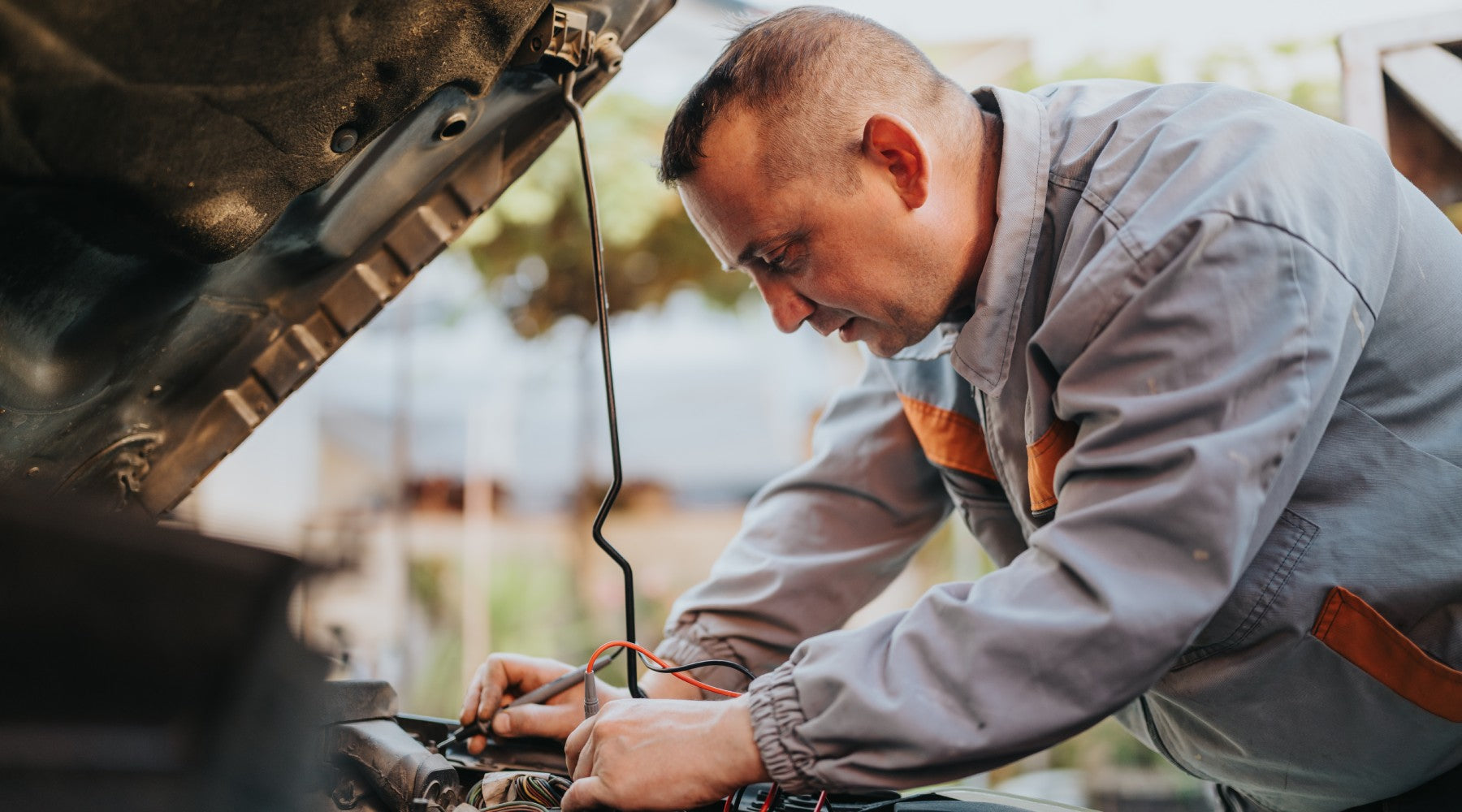
Problems with the electrical system can leave you stranded and frustrated. Luckily, proactive care can save you from these headaches. Explore our tips for extending the lifespan of your automotive wiring so you can keep your vehicle’s performance intact.
Understanding the Enemy: Heat and Vibration
Under the hood of your car, things get intense. Engines produce massive amounts of heat, which is the primary enemy of wire insulation. Over time, high temperatures cause the plastic coating on wires to become brittle and crack. Once the copper inside is exposed, moisture can get in and start corrosion.
Vibration is another silent killer. As you drive over bumps and potholes, every part of your car shakes. Wires that rub against sharp metal edges or hot engine components will eventually fail. Think of it like bending a paperclip back and forth; eventually, it snaps.
Securing your wiring harness is the best defense against vibration. Use zip ties or insulated clamps to hold wires in place. This prevents them from moving around and chafing against other parts.
Inspecting for Physical Damage
One of the biggest lifestyle reasons to invest in a pickup truck is a desire to pursue more outdoor activities. Even vehicles specifically built for off-road trips require consistent inspections. Regular visual inspections are a great habit to develop because you don't need to be a master mechanic to spot obvious issues. Pop the hood every few months and take a look at the visible wiring.
Look for any signs of fraying, cracking, or melted insulation. Pay close attention to areas where wires pass through the firewall or near exhaust manifolds. These are high-risk zones for damage. If you see a wire that looks worn, wrap it with high-quality electrical tape immediately. Electrical tape is not a permanent solution, but this quick fix can prevent a short circuit down the road.
Don't forget to check the battery cables as well. They carry the heavy load of starting the engine and need to be in top shape. Look for corrosion at the terminals, which appears as a white or blue powdery substance.

The Impact of Moisture and Corrosion
The proper steps for troubleshooting poor contact in 6-cavity plugs include looking at contact failures. One of the most common reasons for contact failures is environmental contamination. Water and electricity do not mix well. Moisture intrusion is a major cause of electrical failure in vehicles. Road salt used in winter climates accelerates this process aggressively. When salty water gets into a connector, it eats away at the metal contacts.
Green crusty buildup on connectors is a tell-tale sign of corrosion. If you spot this, clean it off with a wire brush and some contact cleaner. Keeping connections clean maintains a strong path for the electricity to flow.
Dielectric grease is a fantastic tool for fighting moisture. Apply a small amount to the inside of electrical connectors before snapping them together. This grease creates a waterproof seal that keeps dampness out. It is a cheap and easy way to protect vulnerable connections.
Choosing the Right Materials for Repairs
When you do need to make a repair, the quality of materials matters immensely. Cheap electrical tape might look fine at first, but it turns into a gooey mess when it gets hot. Invest in high-heat automotive tape or shrink tubing.
Shrink tubing offers superior protection compared to tape. You slide it over the wire, make your connection, and then heat it up. The tube shrinks down tightly, creating a permanent, watertight seal. It looks professional and lasts much longer than a quick tape job.
Using the correct gauge of wire is also critical. A wire that is too thin for the electrical load will overheat and could cause a fire. Always match the new wire to the size of the original factory wiring.
Proper Routing Techniques
How you route wires determines how long they will last. Avoid running wires across moving parts like fan belts or steering linkages. It sounds obvious, but it is an easy mistake to make during a rush repair.
Follow the factory routing paths whenever possible. Car engineers spent a lot of time figuring out the safest places for wires to go. If you add aftermarket accessories like fog lights or a stereo, take the time to plan the wire path carefully.
Use protective looming to shield wires from heat and abrasion. Split-loom tubing is cheap and easy to install over existing wires. It acts as a sacrificial layer, taking the abuse so the wires inside stay safe.
Managing Electrical Loads
Overloading your car's electrical system puts unnecessary stress on the wiring. Modern cars come with a specific alternator output designed for the factory equipment. Adding high-power accessories like massive subwoofers or off-road light bars draws more current than the system might handle.
Excessive current causes wires to heat up. This internal heat breaks down insulation from the inside out. If you plan to add power-hungry gear, consider upgrading the "Big Three."
The "Big Three" upgrade involves replacing the main battery ground, engine ground, and alternator power wire with thicker cables. This allows the system to handle higher current without straining the stock wiring. It keeps voltage stable and reduces heat buildup.
Protecting Connectors and Terminals
Connectors are the weak points in any wiring harness. They are where moisture and dirt are most likely to enter. Factory connectors usually have rubber seals, but these can dry out and crack over time.
Inspect the rubber seals on your connectors. If they look dry or cracked, try to replace them or add a dab of silicone sealant. This helps maintain the watertight integrity of the connection.
Avoid pulling on the wires when disconnecting a plug. Always grip the plastic connector body itself. Yanking on the wires pulls the metal pins out of their housing, causing loose connections later.
Battery Maintenance and its Role
A healthy battery supports the entire electrical system. A weak battery forces the alternator to work harder, which raises system voltage and heat. This puts extra strain on every wire and component in the car.
Keep your battery terminals clean and tight. Use a battery terminal protector spray to prevent corrosion. If your battery is more than three to five years old, have it tested.
Replacing a dying battery before it fails completely saves your alternator and starter motor. It also ensures that the voltage supply to sensitive electronics remains stable. Consistent voltage is easier on wiring than spikes and drops.

Final Thoughts on Electrical Care
Taking care of your car's wiring is an investment in reliability. By following these tips for extending the lifespan of your automotive wiring, you can avoid being stranded on the side of the road. A little attention to detail goes a long way in preventing electrical failures.
Remember that heat, vibration, and moisture are the main threats. Inspect your vehicle regularly and address small issues before they get worse. Don't let electrical gremlins ruin your driving experience. Start inspecting your wiring today and give your car the care it deserves.


Share:
Weekends on the Water: Tips for Your Watercraft Fleet
Best Aluminum-Free Deodorant for Gym Workouts 2026: A Craftsmanship-First Buyer’s Guide