
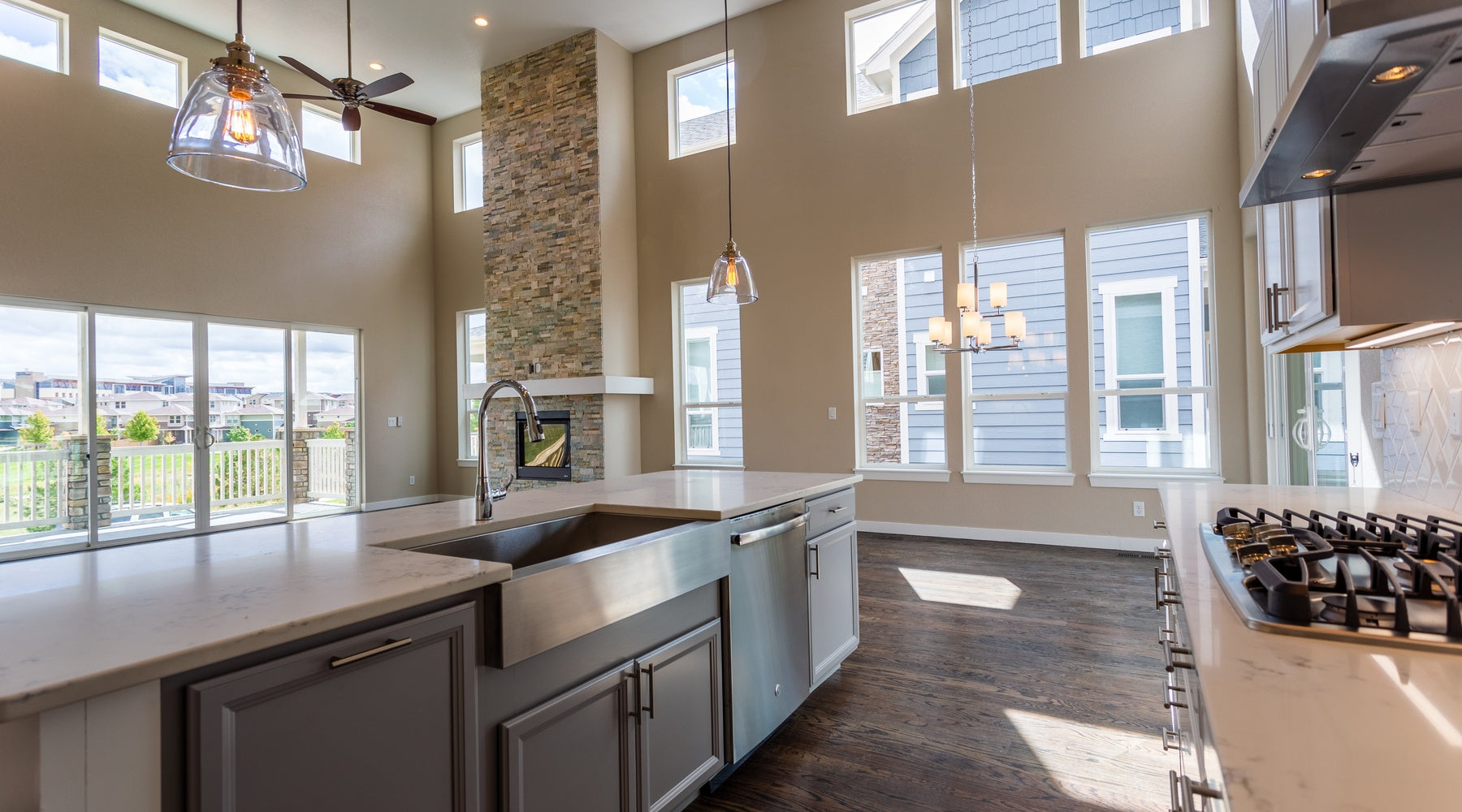
Building a custom home represents a significant investment of time, resources, and emotion. You make countless decisions to create a space that perfectly suits your current lifestyle. However, life evolves, technology advances, and needs change over time.
A home designed only for the present may quickly feel dated or inadequate for future circumstances. The concept of future-proofing involves thoughtful design and strategic choices that anticipate these shifts. This approach goes beyond simple aesthetics; it incorporates flexibility, sustainability, and innovative technology from the ground up.
A future-proof home adapts to your family's journey, from raising children to welcoming grandchildren or even aging in place. It also considers the broader context of environmental changes and technological innovations. This foresight enhances your quality of life and protects your financial investment.
A home prepared for tomorrow holds its value better and avoids expensive retrofits down the road. Thoughtful planning today creates a resilient and enduring sanctuary for your family's future. With these effective strategies to future-proof a custom home, you can build a living space that stands the test of time.
Embrace Flexible Design Principles
A flexible floor plan allows your home to adapt to different life stages with ease. Consider open-concept spaces that can serve multiple functions over time. These areas can transform from a playroom to a teen lounge or a home office.
This adaptability extends to individual rooms, such as a ground-floor office. With minor adjustments, it can later become a guest suite or an accessible bedroom. This forward-thinking approach provides immense long-term value and utility for your family.
Prioritize High-Performance Insulation
Superior insulation forms the backbone of an energy-efficient home, a key aspect of future value. It maintains comfortable indoor temperatures throughout the year with less reliance on HVAC systems. This choice reduces your home's energy consumption and lowers utility bills significantly.
Choose advanced insulation materials for walls, attics, and floors to create a tight thermal envelope. This step improves overall comfort and contributes to a smaller environmental footprint. It is a wise investment that pays dividends over the entire life of your home.
Install Smart Home Infrastructure
A robust wiring plan is essential for a home ready to embrace future technology. Run conduit to key locations throughout the house for easy addition of new cables. This preparation accommodates future upgrades without the need for extensive drywall work later.
Also, install a centralized hub for all your smart home devices to connect seamlessly. This unified system simplifies control and allows for easy expansion as new technologies emerge. Your home will remain current with the latest innovations in home automation and connectivity.
Plan for Multigenerational Living
Design your home to accommodate family members of all ages and abilities. Incorporate features like wider hallways and doorways to allow for easy movement. This makes the space accessible for strollers, wheelchairs, or walkers in the future.
Learning the key factors to consider when building a custom home will help you create a space that serves everyone. Add a main-floor bedroom with a full bathroom for aging parents or guests. These universal design elements make your home welcoming and functional for generations.
Choose Sustainable and Durable Materials
Select construction materials known for their longevity and low maintenance requirements. Materials like metal roofing, fiber cement siding, and composite decking resist wear and tear. They offer superior performance and reduce the need for frequent repairs or replacements.
Choose eco-friendly materials that contribute to a healthier indoor environment. Look for products with low volatile organic compounds and sustainable certifications. These choices enhance your home's durability and promote well-being for your family.
Implement a Water Conservation System
Future water scarcity is a real concern in many regions, making conservation a wise choice. Install low-flow fixtures, such as toilets, showerheads, and faucets, throughout your home. These simple additions can drastically reduce your household's daily water consumption.
Consider a rainwater harvesting system to collect and store water for landscape irrigation. A greywater recycling system can also repurpose water from showers for non-potable uses. These proactive measures lower your utility costs and promote responsible resource management.
Invest in Energy-Efficient Windows
High-quality, energy-efficient windows are a sound investment for any future-proof home. They play a significant part in your home's thermal performance and overall comfort. Look for double or triple-pane windows with low-emissivity coatings to reduce heat transfer.
These advanced windows keep your home warmer in the winter and cooler in the summer. They also block harmful ultraviolet rays, which protect your furniture and flooring. This upgrade improves energy efficiency and enhances the peacefulness of your indoor environment.
Design for Future Accessibility
One of the best strategies to future-proof a custom home is to incorporate universal design elements to ensure your home remains accessible as you age. This approach focuses on creating environments that are usable to the greatest extent possible. Simple additions can make a huge difference in long-term livability.
Consider these features for improved accessibility:
- Install a zero-threshold shower in the main bathroom.
- Place light switches and outlets at more convenient heights.
- Reinforce walls in bathrooms for future grab bar installation.
- Choose lever-style door handles instead of traditional knobs.
Establish a Maintenance Schedule
A well-maintained home holds its value and prevents minor issues from becoming significant problems. Create a detailed checklist of regular maintenance tasks for every season of the year. This schedule should cover everything from the roof to the foundation.
Exploring the positive impact of proactive home maintenance will ensure you protect your investment effectively. Document all repairs, upgrades, and inspections in a dedicated home logbook. This record proves invaluable for upkeep and demonstrates a history of excellent care.
Prepare for Renewable Energy
Even if you do not install solar panels immediately, prepare your home for them. Orient your roof to maximize sun exposure, typically with a south-facing slope. Also, run an electrical conduit from the attic to the utility panel for easy future connection.
This simple preparation makes the eventual installation of a solar array much simpler. It reduces future costs and positions your home to take advantage of clean energy. This forward-thinking step adds significant value and appeal to your property.
Future-proofing a custom home is an exercise in thoughtful foresight and strategic planning. It requires you to look beyond your immediate wants and consider the long-term evolution of your family, technology, and the environment.
From flexible layouts that adapt to changing life stages to the integration of smart home infrastructure, every decision contributes to the home's longevity and enduring value. The choices you make today will define your home's ability to serve you well for decades.
Share:
No Longer Just a Woman’s Hobby: Why Men Are Starting To Sew
How To Turn a Bland Patio into a Luxurious Dining Space