
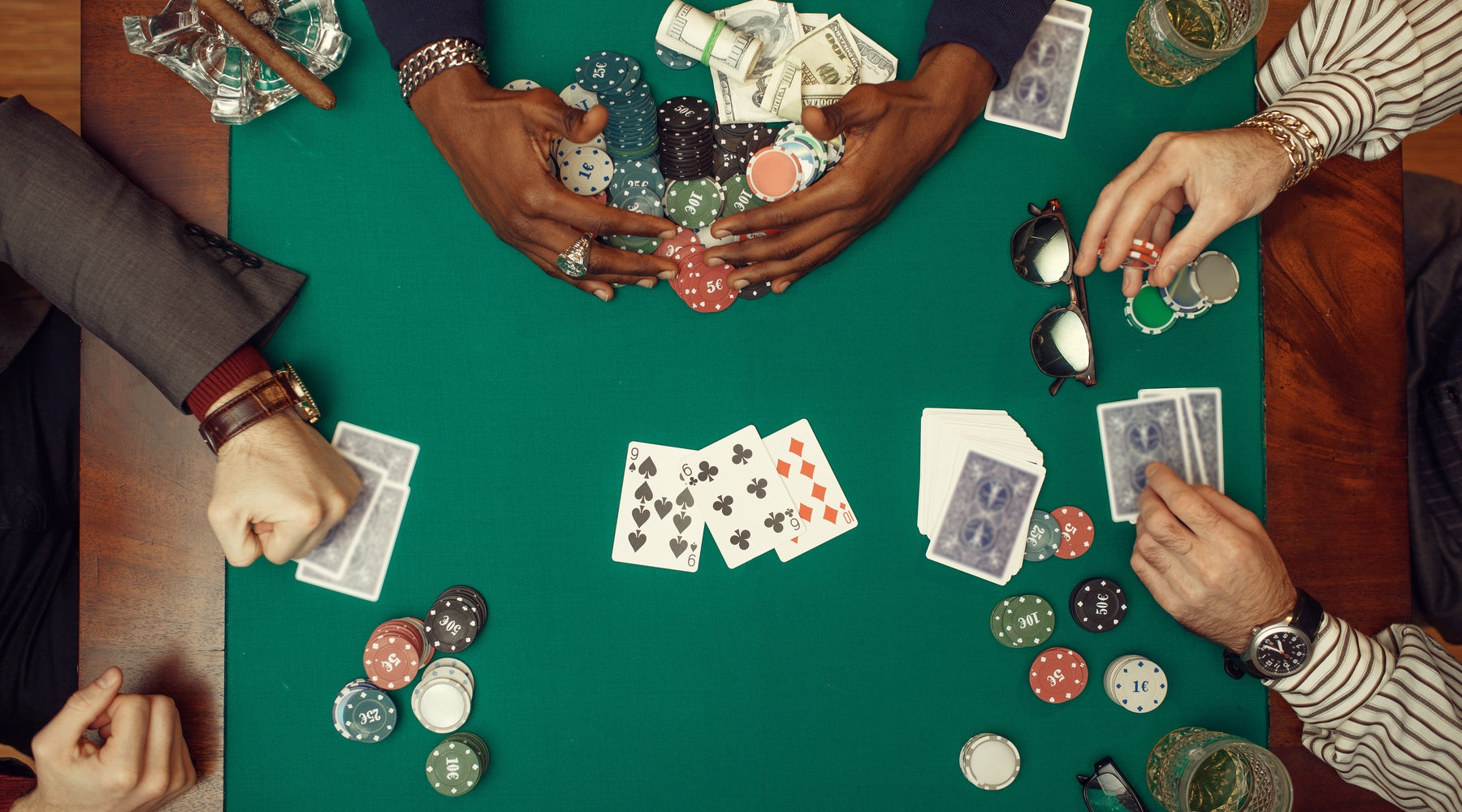
There was a time when “game night” meant folding chairs, lukewarm pizza, and a deck of cards that had seen better decades. These days, the concept has matured alongside the men hosting it, evolving into something closer to an experience than a casual hangout. The modern host blends style with substance, creating an environment where competition feels sharp yet relaxed, and every detail reflects intention.
In mastering game nights like a modern gentleman, the goal is presence. Guests should feel like they’ve stepped into a curated evening where conversation flows easily, as the stakes stay lighthearted, and the games themselves become part of a larger social rhythm.
Set the Tone Before the First Move
Ambiance dictates how the night unfolds, even before anyone touches a game piece. Lighting should lean warm, while music hums low enough to keep conversations effortless without slipping into silence. Small adjustments, like clearing clutter or arranging seating with intention, make the space feel less improvised and more deliberate.
Food and drink choices benefit from restraint, since no one wants to juggle a controller or cue stick with greasy fingers. A well-timed spread of easy-to-handle snacks and a few reliable drink options tend to keep energy consistent without pulling attention away from the action.
Choose Games That Balance Skill and Chaos
The best game nights strike a balance between competition and accessibility, where newcomers can jump in without feeling outmatched while experienced players still find room to shine. Classic table games tend to anchor the night, as they invite both strategy and spontaneity without requiring lengthy explanations.
Within that mix, something like foosball for beginners fits seamlessly, since it introduces just enough skill to feel rewarding while remaining easy to grasp within minutes. Games that create quick rounds, preventing the evening from stalling when attention spans shift.
Rotate the Spotlight
No single game should dominate the entire evening, even if it becomes an early favorite. Rotating activities keeps energy dynamic and allows different personalities to surface, especially when some guests prefer strategy while others lean toward fast-paced competition.
A loose structure works better than a rigid schedule, since flexibility gives the host room to read the room and pivot when needed. When one group wraps up a match, another game can naturally take its place, keeping everyone engaged without forcing transitions that feel abrupt.
Make It Social, Not Just Competitive
A polished game night prioritizes interaction over outcomes, even when scores start to matter. Conversations should flow alongside gameplay, and light teasing or playful rivalries can add personality without tipping into tension.
Encouraging small breaks between rounds gives guests space to mingle, refill drinks, and reset before jumping back in. These pauses, though brief, tend to shape the evening into something more memorable than a continuous string of matches.
Build Confidence as a Host
Hosting can feel like a performance at first, especially when expectations lean toward impressing others. The reality is simpler, since confidence builds through repetition, and each gathering becomes easier to manage than the last.
For those easing into the role, the mindset behind starting a new hobby with confidence applies when hosting, where small adjustments gradually refine both style and execution. What once felt staged begins to feel natural, allowing the host to enjoy the night as much as the guests.
Create a Signature Experience
Memorable hosts tend to leave a subtle imprint on their gatherings, whether through a consistent theme, a favorite set of games, or a signature drink that guests come to expect. These elements don’t need to feel extravagant, yet they provide a sense of continuity that turns a one-off evening into a recurring tradition.
A rotating theme can keep things fresh without complicating the setup, allowing the host to experiment while still maintaining familiarity. Guests begin to associate the experience with the host’s personal style, which adds depth beyond the games themselves.
Keep the Details Subtle but Intentional
Smaller choices tend to linger in memory, from the way hosts present drinks to how games transition seamlessly throughout the night. Guests rarely call out these details directly, yet they shape the overall impression in many ways.
A designated space for games, a consistent playlist, or even a signature drink can give the evening a sense of identity without drawing unnecessary attention. These touches work best when they feel effortless, blending into the experience.
Read the Room Like a Pro
Even the best-planned evening benefits from adaptability, since every group brings a slightly different energy. Some nights lean competitive, while others drift toward conversation, and recognizing that shift allows the host to adjust without forcing momentum.
Watching how guests engage with each activity provides subtle cues, whether it’s lingering at a particular game or losing interest after a few rounds. Responding to those cues keeps the night feeling natural, which tends to elevate the overall experience.
Avoid Common Hosting Pitfalls
Overplanning can weigh down what should feel like a relaxed evening, especially when the host tries to control every moment. Guests tend to enjoy themselves more when the structure feels loose, allowing conversations and interactions to unfold organically.
Another misstep comes from introducing overly complex games that require lengthy explanations, which can stall the energy before it fully builds. Simplicity, paired with variety, usually creates a better rhythm than trying to impress with something overly intricate.
Know When To Wind It Down
A strong finish matters just as much as a strong start and knowing when to wrap up the night prevents it from drifting into fatigue. As energy dips and conversations slow, easing into a final round or two creates a natural endpoint.
Closing the evening with something lighter, whether it’s a casual game or relaxed conversation, allows guests to leave on a high note. That final impression defines how guests remember the night long after it ends.
Why It All Comes Together
At its core, a well-executed game night is about creating a shared experience that feels intentional without being rigid. When the atmosphere, pacing, and social dynamics align, the result becomes more than just entertainment.
Mastering game nights like a modern gentleman leaves the focus on balance, where style meets comfort, and competition never overshadows connection. With the right approach, even a simple evening can carry the kind of polish that keeps guests looking forward to the next invitation.
Share:
Tips For Finding A Vintage Car Worth Owning
Keep Your Ford Pickup Truck Ready for Any Adventure