
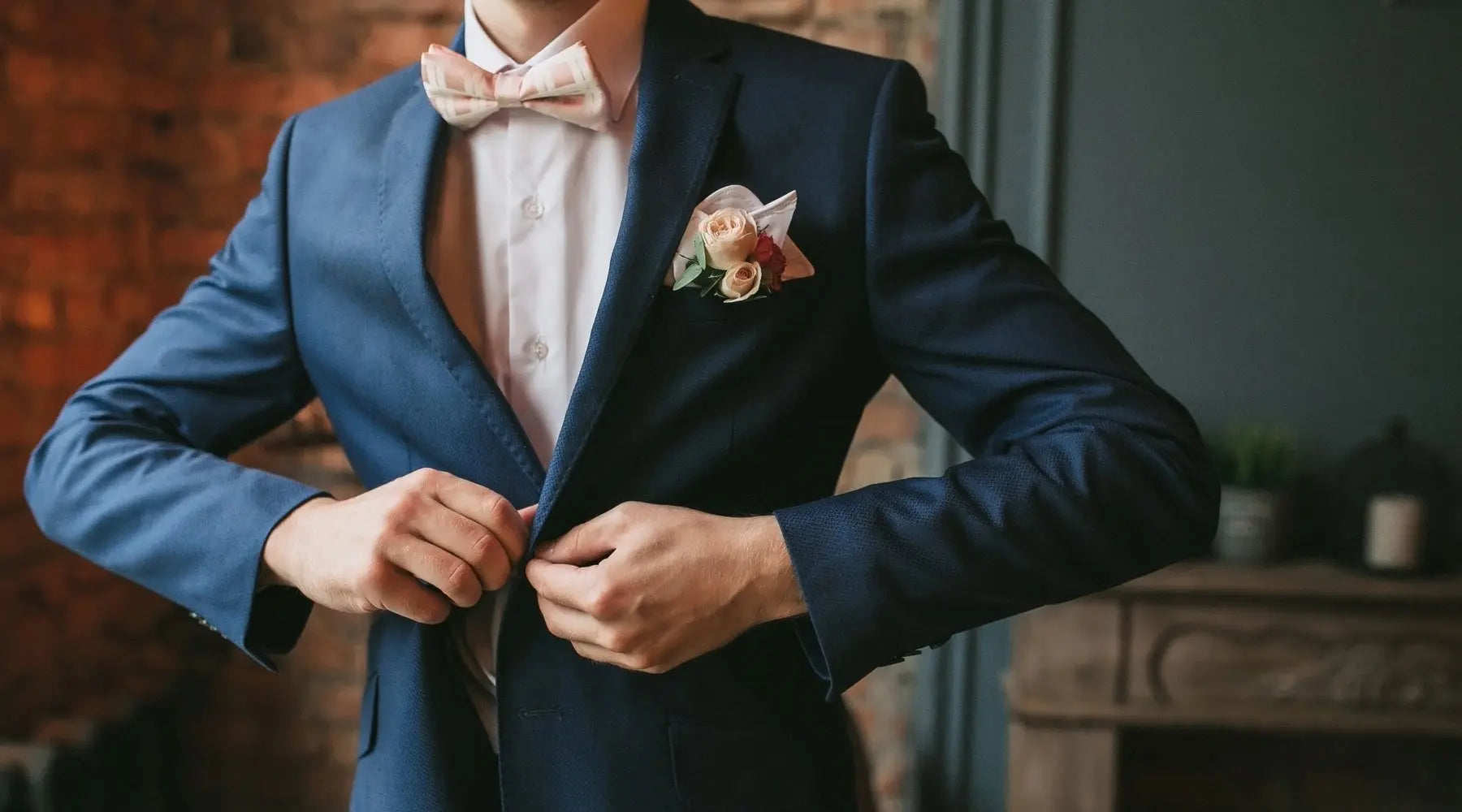
So, you've said yes to forever, and now you're staring down one of the biggest decisions of your engagement: what to wear on the big day. You want to look sharp, feel confident, and avoid becoming a cautionary tale in someone's wedding horror story compilation. No pressure, right?
Here's the thing: while most grooms obsess over the cake, the band, and whether Uncle Jerry will behave himself at the reception, the suit often falls to the bottom of the to-do list—big mistake. Your wedding suit is more than fabric and buttons—it's how you'll look in every photo, how you'll feel walking down the aisle, and how you'll appear when your grandkids scroll through your wedding album.
The good news? Most wedding suit mistakes grooms make are entirely avoidable. You just need to know what they are and how to sidestep them. Consider this your playbook for nailing the most important outfit you'll ever wear.
Waiting Until the Last Minute
Let's start with the classic blunder: waiting until a few weeks before the wedding to even think about your suit. A suit isn't like buying jeans online or grabbing a shirt on your lunch break. A well-fitted wedding suit takes time—time to find the right style, time to get it tailored, and time to make adjustments if something doesn't fit right.
Rushing the process means you'll settle for whatever's available, which usually translates to an ill-fitting suit that makes you look like you borrowed your dad's wardrobe. Start shopping at least three to six months before your wedding day. This move gives you breathing room to explore options, schedule fittings, and handle unexpected issues without breaking a sweat.
Skipping the Tailor
Off-the-rack suits can look decent, but they'll never look perfect without alterations. Your body is unique, and a suit that fits you like a glove requires some fine-tuning. Skipping the tailor is one of the most common wedding suit mistakes grooms make, and it shows. Sleeves that are too long, pants that bunch at the ankles, or a jacket that pulls across the shoulders—all these details scream "amateur hour."
A good tailor will adjust the suit to your measurements, ensuring everything sits exactly where it should. Shoulders should lie flat, sleeves should end just above your wrist bone, and pants should have a slight break at the shoe. Tailoring isn't optional; it's the difference between looking like you tried and looking like you nailed it.
Ignoring the Dress Code
Your wedding has a vibe, whether it's black-tie elegance, laid-back beach casual, or rustic barn chic. Your suit needs to match that vibe. Showing up in a three-piece tuxedo to a casual outdoor ceremony will feel as awkward as wearing cargo shorts to a formal ballroom affair.
Pay attention to the formality of your venue and the overall tone of your wedding. A classic tuxedo works beautifully for formal evening events. At the same time, a lighter-colored suit or even a smart blazer-and-slacks combo might be more appropriate for a daytime or outdoor celebration. And if you're planning a fall wedding, consider rich textures like velvet for a stylish, seasonal twist.
Choosing the Wrong Color
Navy and charcoal gray are safe bets for a reason—they're timeless, flattering, and photograph well. But that doesn't mean you have to play it safe. The key is choosing a color that complements your wedding's color palette and works with your skin tone.
Avoid colors that clash with your partner's dress or the bridal party's attire. A bright blue suit might look great on the rack, but if your groomsmen are wearing navy and your partner is in ivory, you'll stick out like a sore thumb. Subtle earth tones, deep jewel tones, or classic neutrals are your friends here. And whatever you do, steer clear of anything too flashy or trendy, unless you're confident it fits your style.
Forgetting About Comfort
You're going to wear this suit for hours—through the ceremony, the photos, the reception, and probably some questionable dance moves. If your suit feels stiff, restricting, or uncomfortable, you'll spend the whole day tugging at your collar and adjusting your pants instead of enjoying the moment.
Choose fabrics that have a little stretch or breathability, especially if you're getting married in warmer weather. Wool blends, cotton, and linen are all solid choices depending on the season. Make sure the fit allows you to move freely—sit down, raise your arms, and walk around during your fitting to test the comfort level.
Overlooking the Shoes
Your suit can be flawless, but if you pair it with beat-up sneakers or chunky loafers, the whole look falls apart. Your shoes are a crucial part of your wedding day outfit, and they deserve just as much attention as your suit.
Stick with classic leather dress shoes in black or brown, depending on your suit color. Oxfords and brogues are timeless options that work for most weddings. Make sure you break them in before the big day—blisters are not the kind of memory you want from your wedding. And don't forget to polish them. Seriously, shiny shoes make a difference.
Neglecting the Accessories
Accessories are where you can inject personality into your look without going overboard. A crisp pocket square, a sleek tie or bow tie, and a quality watch or cufflinks can elevate your suit from "nice" to "unforgettable."
But here's the catch: less is more. You don't need to pile on every accessory you own. Choose a few key pieces that complement your suit and the overall aesthetic of your wedding. A simple white pocket square folded neatly adds elegance, while a tie in a complementary color pulls the whole look together. If you're wearing a black-tie-optional outfit, a bow tie is a must. Just keep it clean and classic.
Not Coordinating With the Bridal Party
Your groomsmen are standing next to you all day, so your suit needs to coordinate with theirs without being identical. A common mistake is picking a suit that either clashes with or completely matches the groomsmen, leaving you looking like just another guy in the lineup instead of the groom.
A good rule of thumb: choose a suit in the same color family, but in a different shade or with a different detail, like a vest or unique lapel style. This approach keeps the group cohesive while ensuring you stand out as the main event.
Forgetting To Plan for Weather
The weather can make or break your comfort level on your wedding day. A heavy wool suit is perfect for a winter wedding, but unbearable in the middle of summer. Similarly, a lightweight linen suit might leave you shivering during a chilly evening ceremony.
Check the forecast and choose your fabric accordingly. Lightweight materials like cotton or linen work best in warm weather, while heavier wools and blends are ideal for cooler temperatures. And don't forget to have a backup plan—a stylish blazer or overcoat can save the day if things get unexpectedly cold.
Not Doing a Final Check
You've done the fittings, picked the accessories, and broken in the shoes. But have you done a final check a few days before the wedding? This check is your last chance to make sure everything fits, looks, and feels exactly how you want it to.
Try on the entire outfit—suit, shirt, shoes, tie, and accessories—and walk around in it. Check for loose threads, missing buttons, or wrinkles that need ironing. Make sure to polish your shoes and your accessories are clean. This final run-through ensures you'll walk down the aisle with zero surprises and total confidence.
Share:
Lifestyle Reasons You Should Invest in a Pickup Truck
Best Tallow-Based Soap for Winter “Eczema Relief” (Comfort-First Buying Guide)