
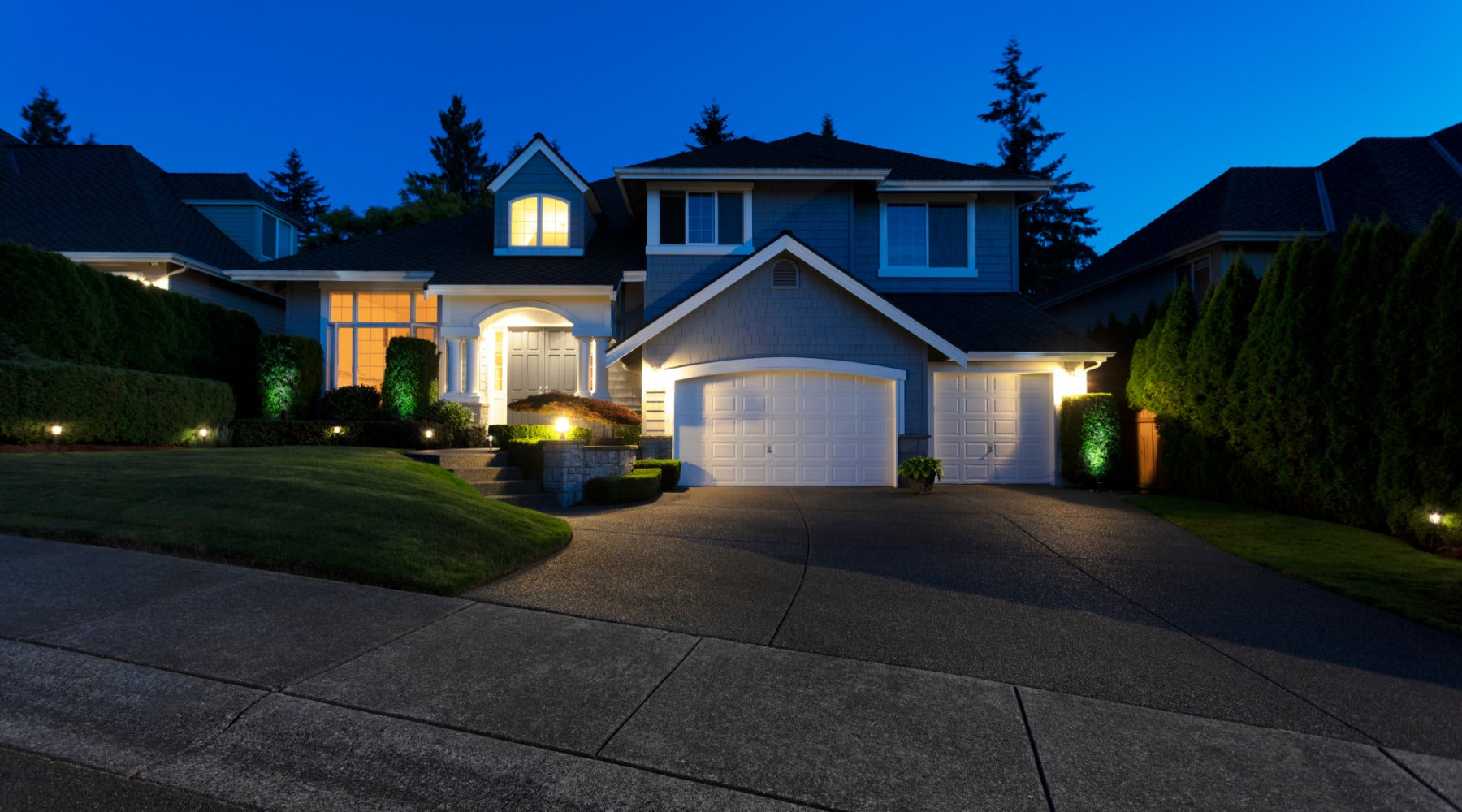
Designing a house used to mean choosing paint colors, debating granite versus quartz, and arguing about where the TV should go. These days, smart homeowners think a little bigger. Designing homes with invisible security technology blends modern convenience with peace of mind, all without turning your living room into a surveillance bunker.
Today’s security tools hide in plain sight. Cameras tuck inside light fixtures, motion sensors blend into trim, and smart locks blend in seamlessly with the stylish hardware in your home. The result feels less like a fortress and more like a well-designed home that quietly watches your back.
The Rise of Invisible Home Security
Home security has come a long way from bulky cameras and keypad panels that scream “alarm system.” Modern homeowners want protection that works quietly in the background.
Invisible security technology delivers exactly that. Designers now integrate cameras into doorbells, outdoor lighting, and landscaping features. Sensors sit inside window frames or behind molding. Smart locks look stylish enough to belong in a design magazine.
This subtle approach appeals to homeowners who value both safety and aesthetics. No one wants their home to resemble a convenience store security setup. Invisible technology protects the property while keeping the overall design clean and uncluttered.
Builders and designers increasingly recommend these systems during the planning phase of a new build. Planning ahead allows electricians and contractors to route wiring behind walls and conceal equipment, keeping it out of sight.
Smart Locks That Blend Into Your Home
Front doors used to rely on a simple deadbolt and a spare key under the doormat. Those days ended the moment smart locks entered the picture.
Modern smart locks look sleek and stylish. Many models resemble traditional hardware while offering advanced features like app access, fingerprint recognition, and temporary digital keys. Homeowners unlock the door from their phone, grant access to guests, or check whether someone locked up before leaving town.
Design-conscious homeowners appreciate how these locks blend seamlessly with the door’s appearance. Manufacturers offer finishes like matte black, brushed nickel, and bronze that match existing hardware.
These locks also eliminate common headaches. Lost keys disappear from the list of worries. Late-night lockouts have become rare. Smart locks keep your home secure without sacrificing the personality or character of your entryway. Whether your style is classic, modern, or something in between, today’s smart locks offer protection that fits right in.
Cameras That Hide in Plain Sight
Security cameras used to stick out like sore thumbs. Large domes and obvious lenses often clashed with carefully planned home designs.
Modern security systems solve that problem. Manufacturers now build cameras into everyday fixtures. Outdoor lights, doorbells, and decorative elements hide high-quality lenses that capture crisp video.
Landscape lighting often doubles as security equipment. A small camera inside a pathway light can monitor the yard without drawing attention. Doorbell cameras blend right in at your front door, watching over packages and visitors without drawing attention.
These hidden systems discourage troublemakers without announcing their presence. Most intruders search for obvious cameras before making a move. Invisible setups create an extra layer of uncertainty, encouraging them to move along.
Motion Sensors That Stay Out of Sight
Motion sensors once required noticeable plastic boxes mounted in corners. Designers now integrate these sensors into the home's structure.
Many sensors fit neatly inside ceiling fixtures, recessed lighting, or trim pieces. Some hide behind artwork or furniture while covering key areas of the room. Outdoor sensors blend into landscaping features like planters or fence posts.
These sensors work with other smart systems to create a fully connected home. When motion triggers the sensor, outdoor lights turn on instantly. Cameras begin recording. Notifications appear on the homeowner’s phone.
When security devices are tucked out of sight, your rooms stay clean and inviting without sacrificing protection. Guests may never notice the technology, but homeowners feel the added peace of mind every day.
Planning Security During the Design Phase
Homeowners who build or renovate gain a major advantage. They can incorporate security technology before construction finishes.
Planning early allows professionals to conceal wiring, mount sensors discreetly, and place cameras in optimal positions. Builders can install hidden conduits that route cables through walls and ceilings, leaving no visible equipment behind.
Designers often work with security specialists to map out coverage areas. They examine entrances, garages, patios, and other high-traffic zones to ensure complete protection.
This planning stage also offers a great opportunity to future-proof a custom home. Smart wiring systems and flexible infrastructure make it easy to upgrade security equipment later without tearing open walls.
Protecting the Whole Property
Security doesn’t stop at the front door. Many homeowners want the entire property protected, including garages, outdoor spaces, and backyard buildings.
Detached structures often contain valuable tools or equipment. Many homeowners spend weekends customizing their backyard shed into a workshop, hobby space, or home gym. Hidden cameras and motion sensors help protect those areas without making the yard feel like a surveillance zone.
Outdoor security lights equipped with discreet cameras offer excellent coverage for driveways, patios, and side yards. Smart systems can alert homeowners when someone approaches the property or lingers near a gate. This wider approach creates a consistent layer of protection across the entire property while preserving a comfortable atmosphere.
Security That Supports Modern Living
Modern homeowners expect technology to integrate effortlessly into their daily routines. Invisible security systems accomplish that goal.
Smart home platforms allow users to monitor cameras, control locks, and adjust lighting from a single app. Voice assistants can arm or disarm systems with simple commands.
The technology operates behind the scenes, stepping in only when needed. Alerts arrive instantly if something unusual occurs, giving homeowners the chance to respond quickly.
Meanwhile, guests enjoy the same comfortable environment they would find in any well-designed home. The security features remain hidden, keeping the focus on good design rather than obvious hardware.
The Future of Smart, Secure Homes
Home design continues to evolve alongside technology. Security systems no longer require visible gadgets or complicated control panels. Instead, modern homeowners can enjoy protection that blends naturally into their home’s design.
Designing homes with invisible security technology allows homeowners to enjoy stylish living spaces without sacrificing safety. Cameras hide inside everyday fixtures, sensors disappear into architectural details, and smart technology delivers powerful protection with elegant design.
The result feels simple: a beautiful home that quietly keeps watch while you relax, grill in the backyard, or kick back on the couch during the big game. That combination of comfort, convenience, and security defines the future of home design.


Share:
Updating Your Kitchen for Style and Practicality
How To Bulletproof a 6.0 Power Stroke Engine