
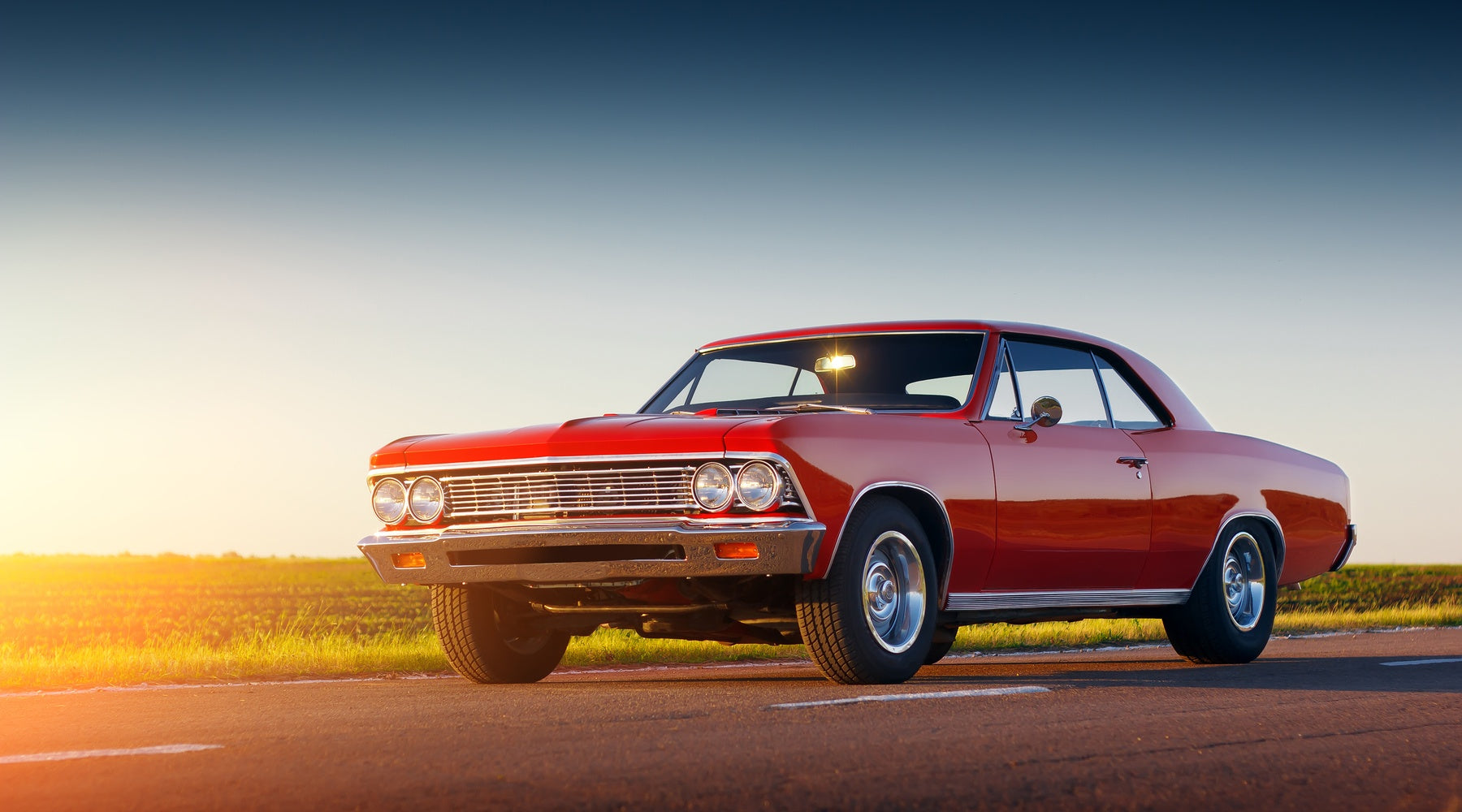
There’s a moment when a vintage car catches your eye, and you start picturing it in your garage. The paint looks right, the stance feels right, and the price might even seem reasonable. Then you take a closer look, and the questions start piling up.
That’s where things get tricky. Not every classic car deserves the attention it gets, and not every good one stands out right away.
Here are tips for finding a vintage car worth owning, helping you sort through the noise and focus on what actually holds up over time.
What Gives A Vintage Car Real Value?
Some cars retain their appeal long after others fade, often because of rarity, engineering, and reputation. Limited production runs create scarcity, keeping enthusiasm alive. Models designed for specific performance goals or featuring unique designs often stand out more. Researching your preferred car brands and their history can give you an advantage.
For example, exploring the history of the Mustang SVO shows how Ford took an unconventional path in the 1980s by developing a turbocharged Mustang instead of sticking with the typical V8 engine. This unexpected approach continues to make the SVO notable today and sparks discussion among enthusiasts.
Buyers who focus on these details tend to avoid cars that depend solely on looks. A compelling backstory builds lasting interest, whereas a forgettable model can quickly lose its appeal.
Where Problems Usually Hide
A tidy exterior can conceal expensive problems. Rust, a significant concern, might not always be visible on the surface. Carefully check beneath the vehicle, especially the frame rails, floor pans, and mounting points, to evaluate their actual condition.
Flaky metal or soft spots signal structural issues that could worsen over time. It’s also crucial to inspect the areas around the windshield, trunk edges, and wheel wells, as water often collects there, accelerating corrosion.
Panel alignment also reveals insights: doors, hood, and trunk should be aligned evenly. Uneven gaps may indicate past damage or poor repairs. A quick look alone isn’t enough; step back and view the vehicle from different angles for a thorough assessment.
Why Mechanical Feel Matters More Than Looks
Paint and trim catch the eye first, but the mechanical condition is what truly determines if the car will be enjoyable to own. Turn the key and listen carefully. The engine should start smoothly and then settle into a steady idle. Watch out for vibrations, uneven revs, or hesitation when you press the throttle.
Next, perform a complete drive cycle. Make sure the acceleration feels smooth and that the transmission shifts seamlessly, without delays or rough engagement. The steering should stay straight without needing constant corrections. Don't forget to inspect the electrical systems as well.
Over time, wiring in older vehicles can deteriorate, especially due to heat and age. The condition of your wiring impacts the vehicle's overall reliability. Faulty wiring may lead to problems like inconsistent engine starts, lighting failures, or intermittent malfunctions, which can be difficult to diagnose.
Where Serious Buyers Actually Look
The strongest deals rarely sit on the most crowded platforms. Large marketplaces attract a wide range of listings, including incomplete builds and inflated prices.
Enthusiast communities offer a better starting point. Owners who stay active in those spaces usually maintain their vehicles and document their work. That level of transparency helps you evaluate the car with more confidence.
Car shows also provide an advantage. You can inspect vehicles up close and speak directly with owners. That interaction reveals how the car has been treated over time.
Local networks matter as well. Word-of-mouth leads can uncover cars that are never publicly listed, reducing competition and improving your chances of finding something worthwhile.
How To Judge Price Without Guessing
Pricing a vintage car requires more than a quick search. Listings don’t always reflect what buyers actually pay.
Look at completed sales first. Auction results and verified transactions give a clearer picture of the current value. Compare cars with similar condition, mileage, and originality.
Factor in future costs as well. A cheaper car may require immediate work, which drives up total investment. Repairs involving rust, wiring, or drivetrain components can add up quickly.
A higher upfront price for a well-maintained car often makes more sense. You spend less time fixing issues and more time enjoying the vehicle.
Questions That Reveal The Truth
A direct conversation with the seller can confirm or challenge what you see during inspection.
Focus on details that show how involved they’ve been with the car:
- Length of ownership
- Maintenance records and receipts
- Major repairs or upgrades
- Storage conditions over time
A knowledgeable seller will answer clearly and provide documentation when possible. Gaps in information or inconsistent answers should raise concerns.
Pay attention to how the car gets described. Specific details signal familiarity, while vague language often hides uncertainty.
Why Documentation Matters More Than You Think
While paperwork may not have the same visual appeal as fresh paint, it plays a crucial role in determining the long-term value of a vehicle. Service records provide insight into how the car has been maintained, and consistent documentation helps build confidence while reducing guesswork about past work.
Original manuals, build sheets, and receipts further enhance credibility and can make the car more attractive if you decide to sell later.
Although vehicles without documentation may still hold value, they often require closer inspection and a more cautious approach to ensure you’re making a sound investment.
Why Patience Always Pays Off
The ideal car rarely appears exactly when you begin your search. Finding good options requires patience and time, as quality choices tend to take a while to surface. Walking away from questionable listings helps you protect your time and budget, preventing hasty decisions that might lead to regret later.
Remember, another opportunity will come along—one that’s more likely to meet your needs and check more boxes on your list.
What Separates A Good Buy From A Great One
A good vintage car runs well and presents itself cleanly. A great one combines condition, documentation, originality, and long-term appeal. Distinguish the good from the great by using the tips above for finding a vintage car that is truly worth it, one that holds up under inspection and makes sense from every angle.


Share:
Small Habits That Instantly Elevate Your Daily Confidence
Mastering Game Night Like a Modern Gentleman