
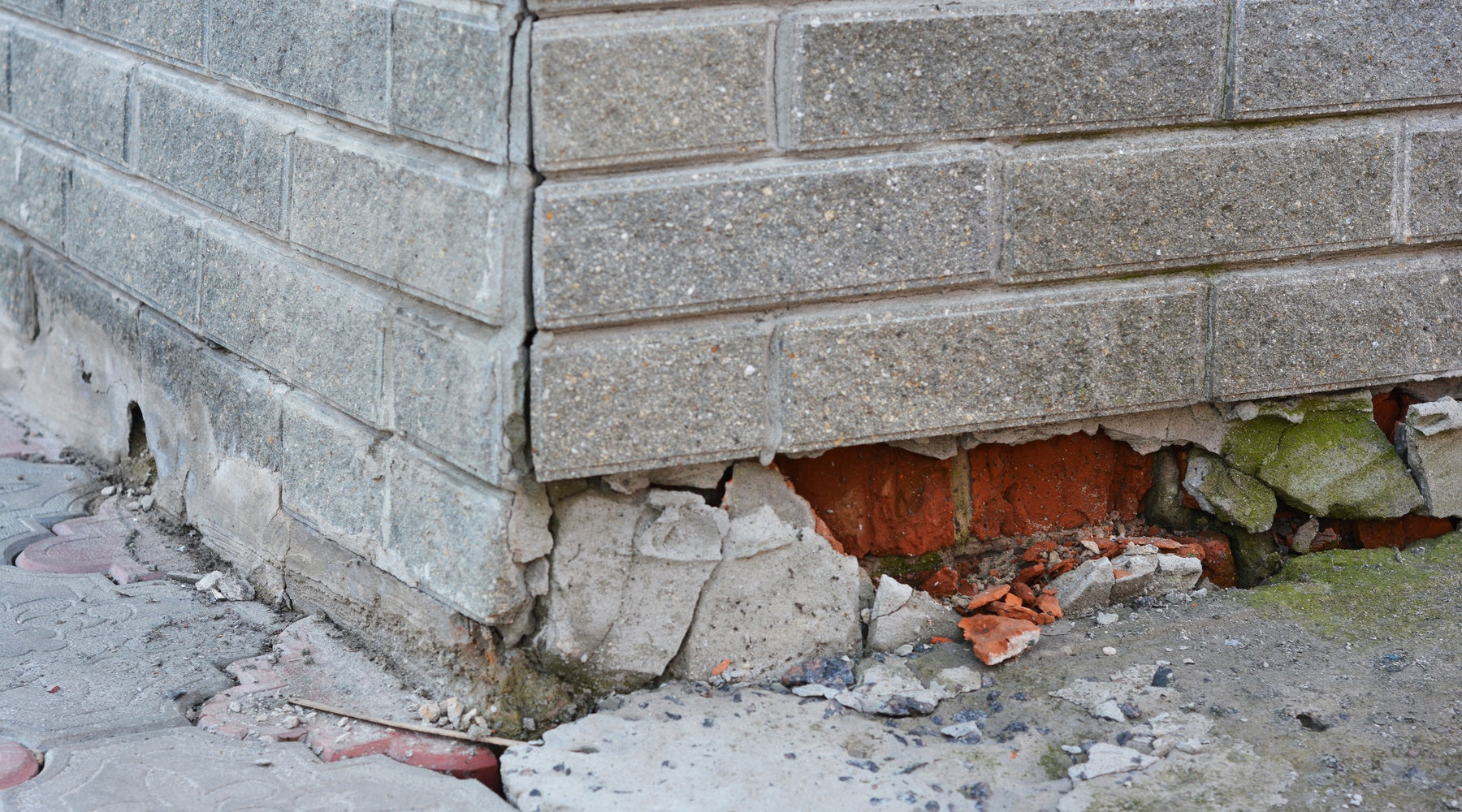
Your home’s foundation does a lot of heavy lifting, quite literally in fact. It supports everything above it, from your walls to your roof to that questionable piece of furniture you refuse to throw away. When your foundation stays solid, your home stays safe. When it starts to fail, problems show up fast and often cost more than expected.
Let’s break down what matters so you can spot issues early, understand your options, and avoid turning small problems into expensive ones.
Why Your Foundation Matters More Than You Think
Your foundation keeps your home level, stable, and protected from moisture. It also helps distribute weight evenly across the ground beneath your house. When everything works as it should, you probably never think about it.
But when something shifts, cracks, or weakens, your entire home feels the effects. Doors stop closing properly. Floors slope. Walls crack. You might even notice gaps where things used to fit snugly.
Ignoring these signs won’t make them disappear. Foundation problems tend to grow, not shrink.
The Most Common Types of Foundations
Not all foundations look the same, and each type comes with its own quirks.
Slab Foundations
Builders pour a single layer of concrete directly on the ground. This design works well in warmer climates where freezing temperatures rarely occur. Slabs cost less and require less maintenance, but repairs can get tricky since plumbing often runs beneath the concrete.
Crawl Space Foundations
These foundations lift the home slightly off the ground, creating a small space underneath. This setup allows easier access to plumbing and wiring, but moisture can collect if ventilation falls short.
Basement Foundations
Basements give you extra living or storage space. They also provide strong structural support. However, they face higher risks of water intrusion and require proper sealing and drainage.
Each type performs well when built and maintained correctly. Problems usually stem from soil movement, water issues, or poor construction practices.
What Causes Foundation Problems?
Foundations don’t fail randomly. Specific factors usually drive the damage.
Soil Movement
Soil expands when it absorbs water and shrinks when it dries out. This constant movement puts pressure on your foundation. Over time, that pressure leads to cracks or uneven settling.
Poor Drainage
Water that pools around your home weakens the soil and increases hydrostatic pressure against your foundation walls. Gutters, downspouts, and grading all play a role here.
Tree Roots
Large roots pull moisture from the soil, which can cause uneven settling. They can also push directly against foundation walls.
Construction Issues
Builders who rush or cut corners can create long-term problems. Poor compaction, low-quality materials, or improper design often show up years later.
Warning Signs You Shouldn’t Ignore
Foundation issues rarely stay hidden. Your home gives you clues; you just need to notice them.
Look for these common signs:
- Cracks in walls, especially around doors and windows
- Uneven or sloping floors
- Doors and windows that stick or won’t close properly
- Gaps between walls, ceilings, or floors
- Cracks in exterior brick or concrete
- Water pooling near your foundation
Small cracks might not mean disaster, but they still deserve attention. Larger cracks or multiple symptoms usually point to a bigger issue.
How Cracks Form and What They Mean
Not all cracks carry the same level of concern.
Hairline cracks often appear as concrete cures. These usually don’t signal major structural problems. Wider cracks, especially those that grow over time, suggest movement beneath the foundation.
Horizontal cracks often raise more concern than vertical ones. They can indicate pressure from soil or water pushing against the walls.
You don’t need to panic over every crack, but you shouldn’t ignore them either. Track changes and call a professional if you notice growth or spreading.
Simple Repairs vs. Bigger Fixes
Some foundation issues allow for straightforward fixes, while others require more involved solutions.
For minor surface cracks, you can use a concrete patching compound to seal and stabilize the area. This helps prevent water from entering and causing further damage. It works best for cosmetic or small structural concerns.
More serious problems may require:
- Piering or underpinning to stabilize the foundation
- Slab jacking to lift sunken areas
- Wall anchors to correct bowing walls
- Drainage improvements to redirect water
A professional inspection helps determine the right approach. Guessing can lead to wasted time and money.
The Role of Water in Foundation Health
Water acts as both a friend and an enemy when it comes to your foundation. You need some moisture in the soil, but too much or too little can cause trouble.
When soil dries out, it shrinks and leaves gaps beneath your foundation. When it becomes saturated, it expands and creates pressure. You want consistency.
Here’s how you can manage water effectively:
- Keep gutters clean and direct downspouts away from your home
- Ensure the ground slopes away from your foundation
- Install proper drainage systems if needed
- Water your soil evenly during dry periods
Consistency keeps your foundation stable. Extreme swings cause stress.
Maintenance Tips That Actually Work
You don’t need a degree in engineering to protect your foundation. A few smart habits go a long way.
Stay Consistent with Inspections
Walk around your home every few months. Look for new cracks, shifting soil, or standing water.
Control Moisture Levels
Avoid letting your soil swing from bone-dry to soaked. Use soaker hoses during droughts and maintain proper drainage during rainy seasons.
Watch Your Landscaping
Plant trees and large shrubs at a safe distance. Their roots can interfere with your foundation over time.
Fix Small Problems Early
A tiny crack today can turn into a major repair tomorrow. Address issues while they remain manageable.
When You Should Call a Professional
You can handle minor maintenance and basic repairs, but some situations call for expert help.
Reach out to a foundation specialist if you notice:
- Large or widening cracks
- Multiple signs of shifting or settling
- Water intrusion in your basement or crawl space
- Bowing or leaning walls
Professionals can assess the situation, identify the root cause, and recommend the right solution. Waiting too long often increases repair costs.
How Much Repairs Typically Cost
Foundation repair costs vary widely. The price depends on the severity of the issue, the type of foundation, and the method required to fix it.
Minor crack repairs might cost a few hundred dollars. Larger structural fixes, like underpinning, can run into the thousands.
While the price tag can feel intimidating, delaying repairs often leads to higher costs. Early action usually saves money in the long run.
Understanding What’s Under Your House
Your home’s foundation doesn’t demand constant attention, but it does deserve respect. It quietly supports everything you rely on every day.
Pay attention to warning signs, manage water carefully, and address issues early. Small efforts now can prevent major headaches later.
A solid foundation keeps your home safe, stable, and comfortable. Take care of it, and it will take care of you.


Share:
Tips for Maximizing Storage Space in Shared Bathrooms
What You Should Know About Using a Storage Unit