
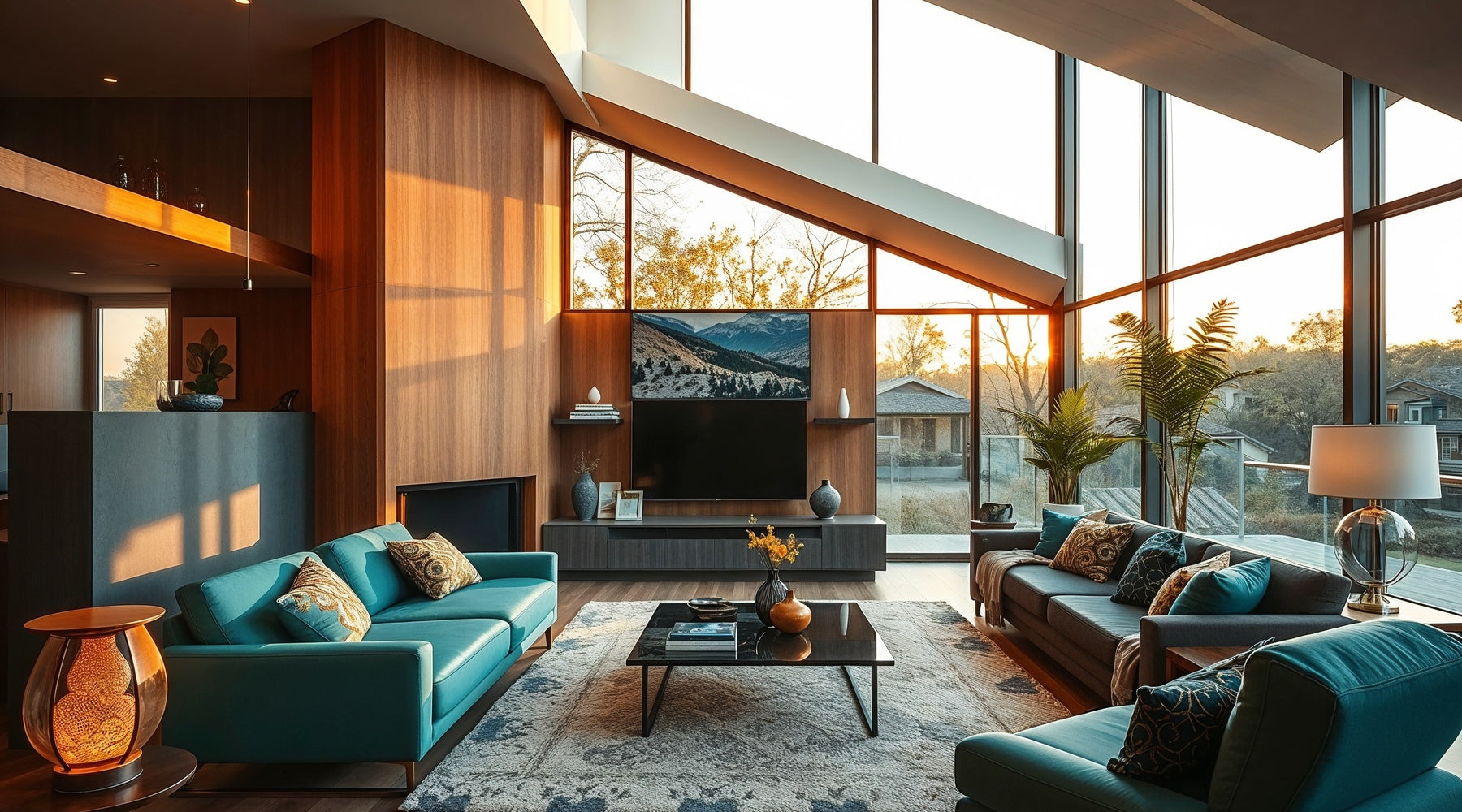
There’s a noticeable difference between a home that simply looks good and one that feels intentional; the latter carries a sense of confidence. It reflects decisions made with purpose, not trends followed out of habit. When done right, your home becomes more than a place to live, but an extension of how you carry yourself.
Understanding how to build a home that reflects confidence and personal style starts with recognizing that great design isn’t about excess. It’s about clarity. Every choice should feel deliberate, even if it’s subtle. From layout to finishing touches, the goal is to create a space that feels cohesive, functional, and unmistakably yours.
Start With a Clear Point of View
Confidence in design begins with knowing what you like, and just as importantly, what you don’t. Instead of trying to combine every appealing idea into one space, focus on a consistent direction. Whether your taste leans modern, industrial, classic, or somewhere in between, narrowing your aesthetic creates a stronger overall impression.
This doesn’t mean your home needs to feel rigid or overly curated. It means that each room should feel like it belongs to the same story. Materials, colors, and textures should complement each other rather than compete. When your home has a clear identity, it naturally feels more confident.
Invest in Structure Before Surface
It’s easy to get caught up in decor, but the most impactful homes prioritize structure first. Layout, flow, and architectural details shape how a space feels long before furniture enters the picture.
Consider how you move through your home. Are transitions between rooms smooth? Do spaces feel connected or disjointed? Even small architectural features play a major role in how polished a home feels.
For example, paying attention to areas that often get overlooked can make a surprising difference. Thoughtfully incorporating stair landing design ideas that enhance both function and style can turn a purely transitional space into something that adds character and continuity to your home.
When structure is strong, everything layered on top of it feels more intentional.
Keep Your Palette Controlled
A confident home doesn’t rely on loud colors or constant contrast to make an impression. Instead, it uses restraint. A controlled palette creates a sense of calm and allows standout elements to carry more weight.
This doesn’t mean everything needs to be neutral, but it does mean being selective. Choose a base of two or three core colors and build around them. Add depth through texture—wood, metal, stone, and fabric—rather than introducing too many competing tones.
Consistency across rooms also helps maintain flow. When your color choices feel connected, your home naturally feels more cohesive and composed.
Choose Quality Over Quantity
Nothing undermines confidence faster than clutter. Filling a space with too many pieces, even if they’re individually appealing, can make a home feel uncertain and overworked.
Instead, focus on fewer, better items. A well-made sofa, a solid dining table, or a carefully chosen piece of art will always have more impact than a room full of filler. Quality materials and craftsmanship signal attention to detail, which is at the core of a confident aesthetic.
This approach also gives each element room to stand out. When your space isn’t overcrowded, every piece feels more intentional.
Design for How You Actually Live
A home that looks good but doesn’t function well quickly loses its appeal. True confidence comes from alignment; your space should support your daily routines without friction.
Think about how you use each room. Do you entertain often? Work from home? Need a place to unwind after long days? Design choices should reflect those realities, not just visual inspiration.
This might mean prioritizing comfort in your living room, creating a dedicated workspace, or ensuring your kitchen layout supports how you cook. When your home works for you, it naturally feels more grounded and self-assured.
Add Personality Without Overdoing It
Personal style is what makes a home feel authentic, but it needs to be applied with intention. Instead of filling your space with random decor, choose pieces that have meaning or align with your overall design direction.
This could be artwork, books, travel souvenirs, or even functional items that reflect your interests. The key is to integrate these elements in a way that feels cohesive rather than scattered.
Confidence comes from knowing when to stop. Not every surface needs decoration. Leaving some space untouched allows your chosen pieces to stand out more.
Maintain a Sense of Order
Even the best-designed home can lose its impact if it feels disorganized. Clean lines and clear surfaces reinforce the idea that your space is under control.
This doesn’t mean your home has to feel sterile. It simply means being mindful of how items are stored and displayed. Smart storage solutions help keep everyday clutter out of sight while maintaining easy access.
When your home feels orderly, it enhances the sense of confidence that your design choices create.
Evolve Without Losing Direction
Your home doesn’t need to stay static. In fact, evolving your space over time is part of what makes it feel personal; however, changes should still align with your overall vision.
Instead of making impulsive updates, think about how new additions will fit into the bigger picture. This approach keeps your home feeling cohesive even as it grows and adapts.
Revisiting your design periodically also allows you to refine it. As your preferences develop, your home can reflect that progression without losing its core identity.
Bringing It All Together
Building a home that reflects confidence and personal style is about intention. It’s not about following every trend or filling every space; it’s about making choices that feel aligned with how you live and what you value.
When your home has a clear direction, strong structure, and thoughtful details, it naturally carries a sense of confidence. Every room, every transition, and every element works together to create a space that feels complete.
The result isn’t just a better-looking home. It’s a space that feels grounded, self-assured, and distinctly yours—something you notice the moment you walk through the door.
Share:
Common Issues New Homeowners Deal With in Their Plumbing
10 Strategies To Make Your Space Feel More Upscale