
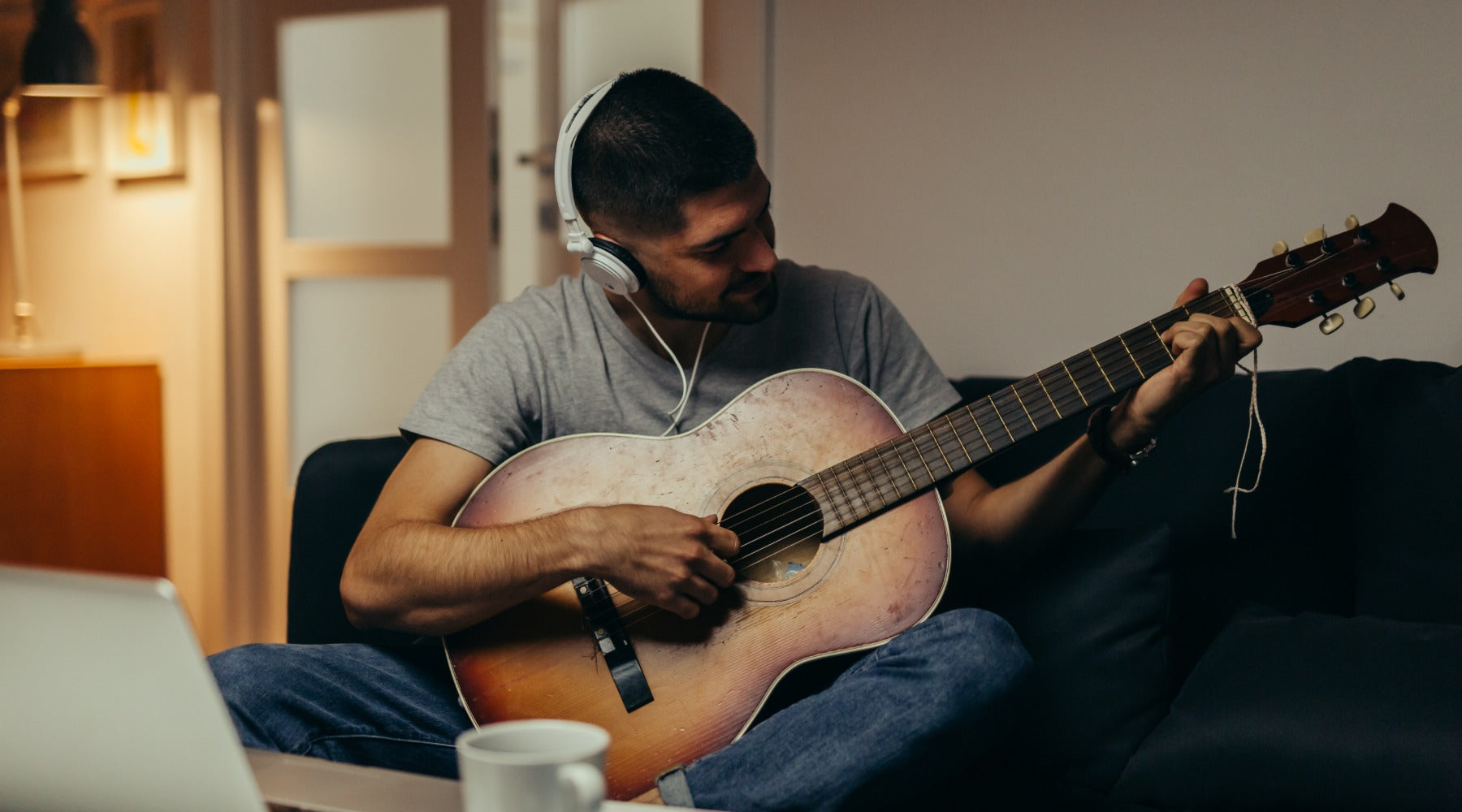
Starting a new hobby can feel exciting and intimidating at the same time. You might worry about wasting money, looking inexperienced, or quitting too soon. Those concerns make sense, but they should not stop you. Every expert once stood exactly where you stand now, unsure but curious. The trick involves building confidence from the beginning so you stay motivated and enjoy the process.
Confidence does not appear overnight. You create it through small wins, clear expectations, and consistent effort. When you choose a hobby that interests you, you already take the first step. Now you need a plan that keeps things manageable and enjoyable. Let us break down practical tips that help you start strong and keep going without second guessing yourself.
Choose the Right Hobby for Your Lifestyle
You do not need to chase trends or copy what others do. Pick something that fits your schedule, budget, and personality. If you enjoy quiet time, try activities like reading, painting, or beginner sewing projects that let you create at your own pace. If you crave movement, explore sports or dance classes.
You should also think about how much time you can realistically commit each week. Many people start strong but lose interest because they overload their schedule. Keep your hobby simple at first. You can always increase your involvement later.
Set Clear but Flexible Goals
Goals give your hobby direction. Without them, you might feel lost or unmotivated. Start with small targets that you can reach quickly. For example, if you want to learn guitar, aim to practice for ten minutes a day rather than mastering a full song immediately.
Flexibility matters just as much as clarity. Life happens, and rigid expectations can discourage you. Adjust your goals when needed instead of quitting entirely. You build confidence when you follow through, even in a small way.
Create a Simple Starting Plan
You do not need a complicated strategy to begin. A simple plan works better because you can follow it without overthinking. Decide when and where you will practice your hobby. Set aside a specific time in your day, even if it lasts only fifteen minutes.
Gather the basic tools you need but avoid overspending at the beginning. Many hobbies require minimal equipment to start. When you remove unnecessary barriers, you make it easier to show up and take action.
Accept the Learning Curve
You will not excel right away, and that reality should not frustrate you. Every hobby includes a learning phase where mistakes happen often. Instead of resisting that phase, accept it as part of the process.
Focus on progress instead of perfection. When you compare your current skills to your past attempts, you will notice improvement. That progress builds confidence naturally. Celebrate small wins like finishing your first project or sticking to your schedule for a week.
Build a Routine That Sticks
Consistency creates momentum. When you practice regularly, your hobby becomes part of your routine instead of a random activity. Choose a time that fits easily into your day. Morning sessions work well for some people, while others prefer evenings.
You can also pair your hobby with an existing habit. For example, practice drawing after dinner or read for ten minutes before bed. This approach makes it easier to stay consistent.
Learn from Others Without Comparing Yourself
You can gain valuable insights by watching tutorials, reading tips, or joining communities. Other people often share shortcuts and lessons that save you time. However, avoid constant comparison because it can hurt your confidence.
Everyone starts at a different point and learns at a unique pace. Focus on your journey instead of measuring yourself against others. When you stay focused on your progress, you will feel more motivated and less discouraged.
Keep It Fun and Low Pressure
You started your hobby because it interested you, so do not turn it into a stressful obligation. Allow yourself to experiment and explore without pressure. Try different techniques, styles, or approaches until you find what you enjoy most.
If you feel bored or frustrated, take a short break instead of forcing yourself to continue. A relaxed mindset keeps your enthusiasm alive and helps you return with fresh energy.
Track Your Progress in Simple Ways
Tracking progress helps you see how far you have come. You do not need complex systems to do this. Use a notebook, an app, or even photos to document your work over time.
When you look back at earlier efforts, you will notice clear improvement. That visual proof reinforces your confidence and motivates you to keep going. Progress does not need to be dramatic to matter.
Stay Patient When Results Feel Slow
Many hobbies require time before you see noticeable results. You might feel tempted to quit if progress seems slow. Resist that urge and remind yourself why you started.
Patience allows skills to develop naturally. When you give yourself enough time, you build a stronger foundation. Whether you practice cooking, learn a language, or work on starting a skincare routine, steady effort leads to lasting results.
Surround Yourself with Encouragement
Support can make a big difference when you start something new. Share your goals with friends or family members who encourage you. Positive feedback boosts your confidence and helps you stay committed.
You can also join online groups or local classes related to your hobby. These spaces provide advice, inspiration, and accountability. When you connect with others who share your interests, you feel less alone and more motivated.
Use Simple Tools to Get Started
You do not need expensive equipment to enjoy a new hobby. Start with basic tools that allow you to learn the fundamentals. For example, if you enjoy crafts, begin with affordable supplies instead of investing heavily right away.
Here are a few simple ways to keep costs low while starting strong:
- Borrow items from friends or family when possible
- Look for beginner kits that include essentials
- Buy secondhand equipment to save money
- Upgrade gradually as your skills improve
These strategies help you explore your hobby without financial pressure.
Remind Yourself Why You Started
Motivation can fade over time, especially when challenges appear. Keep your original reason in mind so you stay connected to your hobby. Maybe you wanted to relax, learn something new, or express creativity.
Write down your reason and revisit it when you feel stuck. This reminder can reignite your interest and push you to keep going.
Bonus Tips for Staying Confident
Sometimes you need quick reminders to keep your confidence steady. Use simple actions that reinforce your progress and mindset. Speak positively about your efforts, even when results feel small. Reward yourself after completing a session so your brain links your hobby with something enjoyable.
You can also switch things up when boredom appears. Try a new project, change your environment, or invite a friend to join you. These small changes keep your interest high and prevent burnout.
Starting with Confidence
You do not need perfect conditions to begin a new hobby. Confidence grows when you take action and allow yourself to learn at your own pace. Every step forward, no matter how small, brings you closer to mastery.
Start today, keep things simple, and enjoy the experience. You might surprise yourself with how much you can achieve when you commit to the process and trust your ability to grow.
Share:
How To Design a Sophisticated Entertainment Space
Simple Modern Upgrades You Can Make to Your Home