
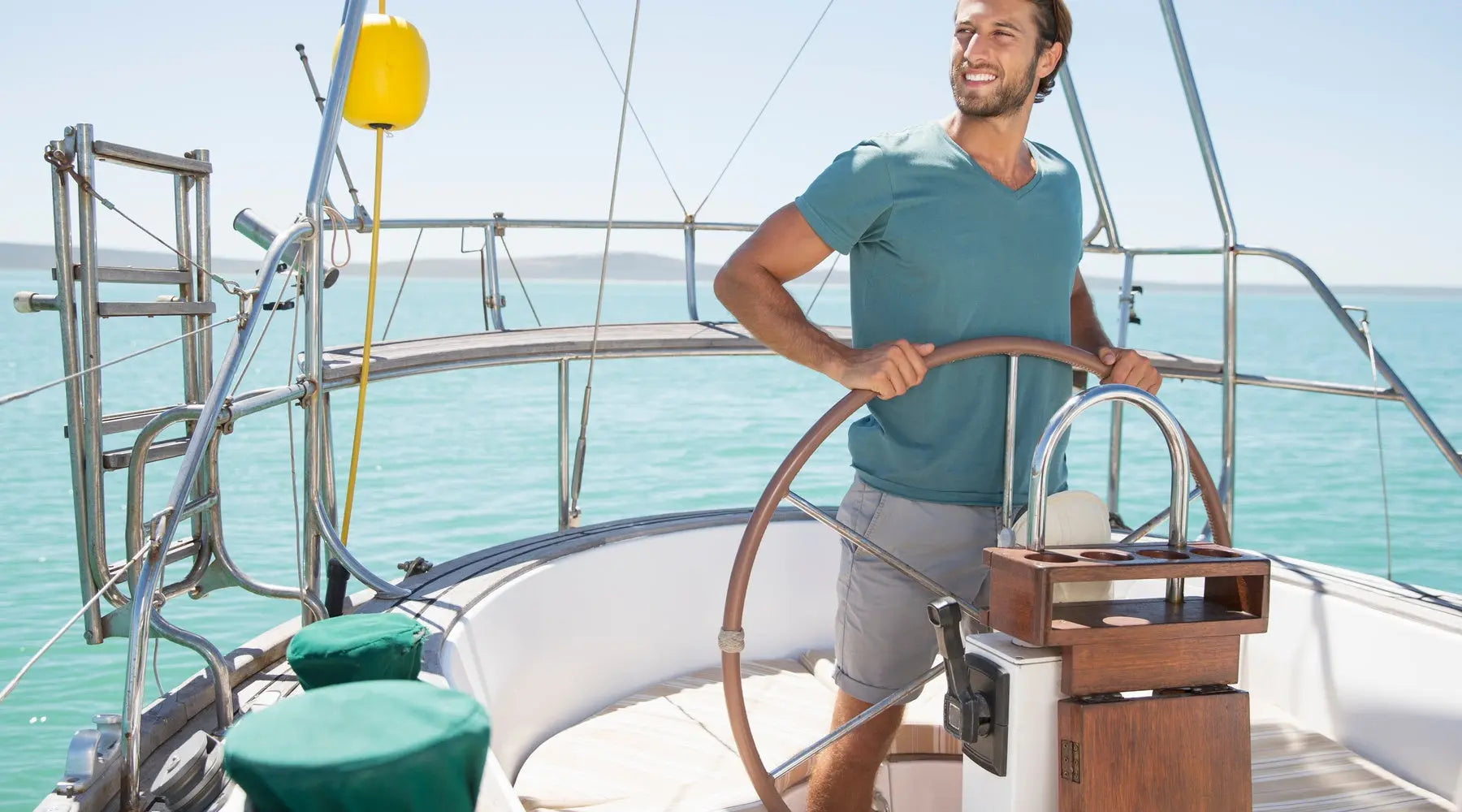
The weekend is calling, and there’s no better answer than hitting the water. Whether you’re exploring serene lakes or charging through coastal waves, owning a watercraft unlocks a unique sense of freedom and adventure. Managing a single jet ski or a whole fleet of boats requires a bit of know-how to make sure every outing is safe, fun, and memorable.
Proper planning and maintenance are the keys to unlocking a stress-free weekend on the water. From pre-launch checks to post-ride care, a little preparation goes a long way. This ensures your watercraft is always ready for action, letting you focus on making the most of your time with family and friends. Think of it as the groundwork for countless successful trips. Let’s explore our best tips for your watercraft fleet so that your weekends on the water are everything you expect them to be; and maybe a little more.
Mastering Your Pre-Launch Checklist
Before your watercraft even touches the water, a thorough pre-launch check is essential. This routine minimizes the risk of on-water issues and ensures a smooth start to your day. Start by inspecting the hull for any cracks or damage that could compromise its integrity. Check that all drain plugs are securely in place to prevent your vessel from taking on water.
Next, examine the engine compartment. Look for any fluid leaks, loose hoses, or frayed wires. Confirm that you have a fully charged battery and the terminals are clean and tight. Test your throttle and steering to make sure they operate smoothly without any stiffness or unusual noises.
Finally, verify you have enough fuel for your planned trip, always remembering the one-third rule: one-third of your fuel for the journey out, one-third for the return, and one-third in reserve for emergencies.
Essential Safety Gear for Every Outing
Safety should always be your top priority. Equipping your watercraft with the right safety gear isn’t just a suggestion; it’s a requirement in most places and a smart practice everywhere. Every person on board must have a US Coast Guard-approved personal flotation device (PFD) that fits properly. Even strong swimmers can find themselves in unexpected situations where a PFD is a lifesaver.
Beyond PFDs, your safety kit should include the following items:
- A sound-producing device, like a whistle or air horn, to signal your presence or call for help.
- Visual distress signals, such as flares or an orange flag, for emergencies.
- A fully stocked first-aid kit to handle minor injuries.
- A fire extinguisher, easily accessible and in good working condition.
- An anchor with an appropriate length of rope to hold your position if needed.
Understanding Local Waterway Regulations
Every body of water has its own set of rules. Ignorance of local regulations is no excuse and can lead to hefty fines or dangerous situations. Before launching, research the specific rules for the lake, river, or coastal area you plan to visit. Pay attention to speed limits, no-wake zones, and any restricted areas. These zones are often in place to protect sensitive wildlife habitats, swimmers, or other boaters in congested areas.
Knowing the rules of the road, even on the water, is just as important as on land. Understand navigation basics, such as how to yield the right-of-way to other vessels. Generally, less maneuverable boats, like sailboats or large ships, have the right-of-way. Familiarize yourself with the buoy system, which provides vital information about channels, hazards, and safe passage.
Fueling and Fluid Management Tips
Proper fuel and fluid management keeps your watercraft running reliably. Always use the fuel type recommended by the manufacturer, which is typically specified in the owner’s manual or on a label near the fuel cap. When refueling, take precautions to prevent spills. Turn off the engine, extinguish all open flames, and avoid overfilling the tank. Spilled fuel is a fire hazard that’s extremely harmful to the aquatic environment.
Regularly check and maintain other essential fluids, including engine oil and coolant. The engine oil lubricates moving parts and reduces friction, while the coolant prevents the engine from overheating. Refer to your owner’s manual for the correct fluid types and recommended change intervals. Keeping these fluids at the proper levels is a simple yet critical part of engine care.
Effective Cleaning and Post-Ride Care
Your responsibilities don’t end when you pull your watercraft out of the water. Proper post-ride care is vital for longevity. Start by thoroughly rinsing the exterior with fresh water, especially after use in saltwater. Salt is highly corrosive and can damage the hull, engine components, and trailer over time. Pay special attention to flushing the engine’s cooling system according to the manufacturer’s instructions.
Clean the interior to remove any sand, dirt, or debris. Dry the seats and storage compartments to prevent mold and mildew growth. This is also a good time to inspect for any new scratches, dings, or other damage that may have occurred during your trip. Addressing minor issues promptly prevents them from becoming major problems. You should never skip these jet ski maintenance tasks, as they are fundamental to the health of your machine.
Planning Your First Offshore Adventure
Taking your watercraft offshore opens a new world of exploration, but it requires more preparation than an inland trip. When planning your first offshore adventure, a detailed float plan is nonnegotiable. This document outlines your intended route, departure and return times, and the number of people on board. Leave your float plan with a reliable person on shore who can alert authorities if you don’t return as scheduled.
Weather is the most critical factor in offshore boating. Check marine forecasts from multiple reliable sources right up until you leave, and be fully prepared to cancel or postpone if conditions are unfavorable. Offshore waters can change rapidly, and what starts as a calm day can quickly turn dangerous. Make sure you have the necessary navigation tools, such as a GPS and charts, and know how to use them.
Your Next Great Weekend Awaits
Managing your watercraft fleet, whether it’s a single jet ski or a collection of boats, is a rewarding responsibility. By following these tips for preparation, safety, and maintenance, you set yourself up for countless successful weekends on the water. The effort you put in beforehand pays off in the form of smooth, worry-free adventures. Now that you’re equipped with the right knowledge, it’s time to get out there and make some waves. Your next great weekend awaits!

Share:
Reasons To Upgrade Your Diesel Truck’s Tires
Tips for Extending the Lifespan of Your Automotive Wiring