
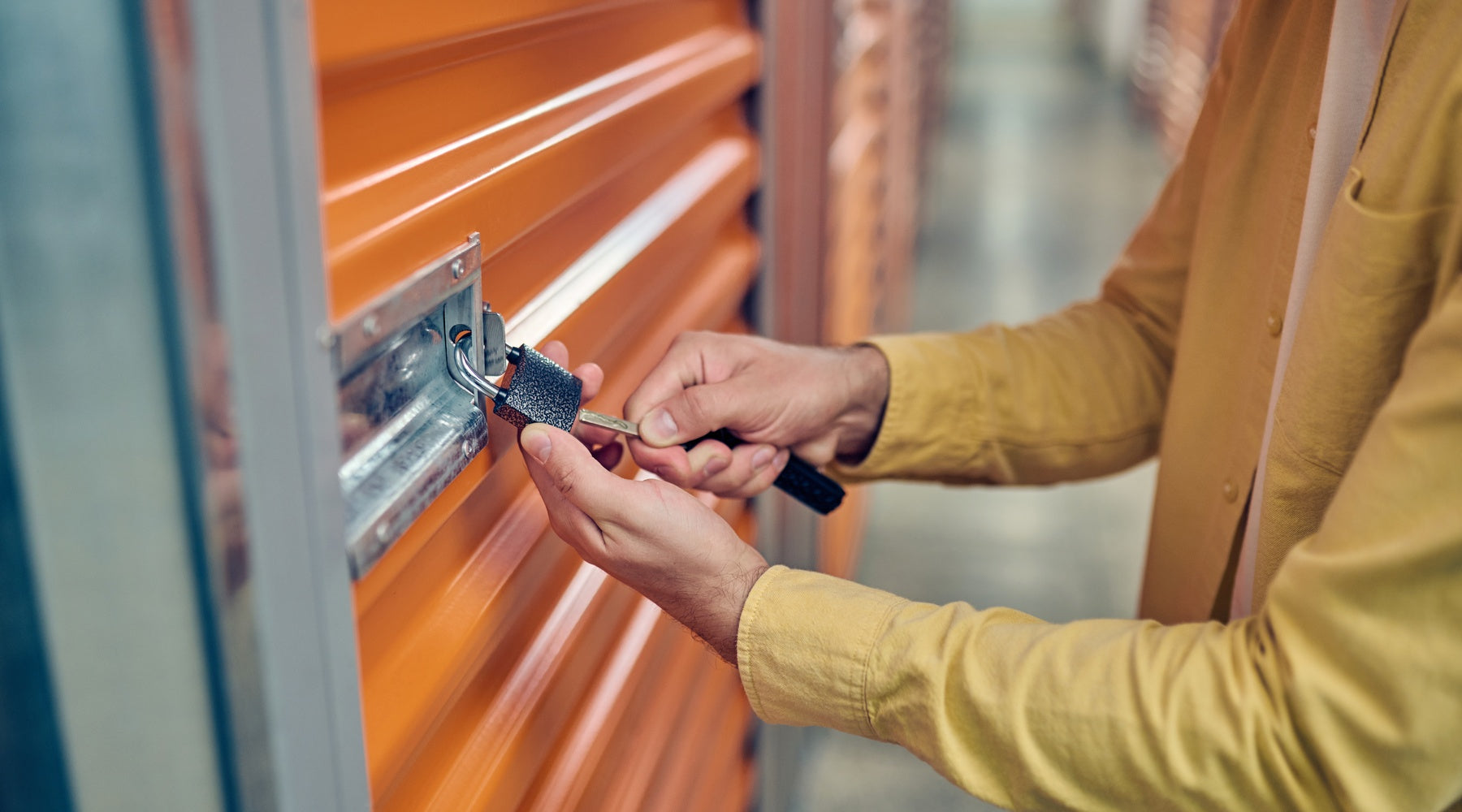
Storage units solve a lot of everyday problems. You run out of space, you’re between homes, or your garage starts looking like a thrift store explosion, so you rent a unit and move on. Simple enough. But plenty of people waste money, lose track of their stuff, or pack things in ways that guarantee frustration later.
If you plan to use a storage unit, you should approach it with a bit more strategy than just tossing boxes inside and shutting the door.
Why People Use Storage Units (and When It Makes Sense)
Most people turn to storage when they need extra space or flexibility. Moves create gaps between timelines. Homes fill up faster than expected. Businesses grow and need somewhere to stash inventory.
A storage unit makes sense when you have a clear purpose. Maybe you’re staging your home and need to clear clutter. Maybe you want to keep seasonal items out of the way. Maybe you just want your living room to stop doubling as a warehouse.
The key idea here is intent. When you know why you’re storing something, you’re less likely to forget about it and keep paying for it indefinitely.
Choosing the Right Size Without Guesswork
One of the easiest ways to overspend involves picking the wrong unit size. People either underestimate and end up cramming everything in like a game of Tetris, or they overestimate and pay for empty space.
Instead of guessing, take a few minutes to list what you plan to store. Think about furniture, boxes, and anything awkwardly shaped. Then consider how those items stack. A well-packed unit can hold more than you expect.
Smaller units work well for boxes and a few pieces of furniture, while mid-sized options handle the contents of an apartment. Larger units fit full households or business inventory. If you’re unsure, sizing up slightly gives you breathing room without going overboard.
Climate Control: When It Actually Matters
Not every storage unit needs climate control but skipping it can cost you if you choose wrong. Temperature swings and humidity can damage certain items faster than you’d think.
If you store electronics, wood furniture, clothing, or anything sentimental like photos, climate control helps preserve those items. Without it, heat and moisture can warp, fade, or degrade materials over time.
On the other hand, if you store tools, plastic bins, or durable outdoor gear, a standard unit usually works fine. Just consider your local weather. Extreme conditions can push borderline items into the “better safe than sorry” category.
Packing Like You Plan to See Your Stuff Again
Packing might feel like the boring part, but it shapes your entire storage experience. Bad packing leads to broken items, collapsed boxes, and the kind of disorganization that makes you dread opening the unit.
Start with sturdy boxes. Old, flimsy ones might save you a few dollars upfront, but they won’t survive stacking. Label everything clearly, even if you think you’ll remember what’s inside. You won’t.
Place heavier items in smaller boxes so you can lift them without throwing out your back. Wrap fragile items properly instead of hoping they’ll survive the trip. Disassemble furniture when you can and keep frequently used items near the front.
Stacking also matters more than people realize. Put heavier boxes on the bottom and lighter ones on top. That simple move prevents crushed boxes and saves you from a domino effect later.
Security: What You Should Actually Look For
Most storage facilities highlight security features, but you still need to pay attention to what they offer. A secure facility reduces risk, but it doesn’t eliminate it.
Look for gated access, surveillance cameras, and good lighting throughout the property. Facilities with on-site staff or regular patrols add another layer of protection.
Your lock plays a big role too. Cheap locks don’t stand a chance against someone determined to break in. A solid disc lock offers better resistance and gives you peace of mind.
Even with all that in place, you should avoid storing anything irreplaceable. Storage units provide convenience, not absolute security.
Understanding Costs Before They Surprise You
Storage units seem affordable at first glance, but the monthly fee doesn’t tell the whole story. Costs can creep up if you don’t ask the right questions.
Many facilities offer low introductory rates that increase after a few months. You might also deal with deposits, insurance requirements, and late fees if you miss a payment.
If you plan to store items long term, it’s worth doing the math. You might realize that keeping certain items costs more than they’re worth. In some cases, selling or donating them makes more sense than paying ongoing storage fees.
Organizing Your Unit So It Doesn’t Become a Maze
A messy storage unit turns every visit into a scavenger hunt. An organized one saves you time and frustration.
Think of your unit like a small, personal warehouse. Group similar items together so you know where to look. Label boxes on multiple sides so you don’t have to rotate them just to read what’s inside.
Leave yourself a walkway instead of packing wall-to-wall. That small aisle makes a huge difference when you need to grab something quickly.
If you store a lot of items, consider keeping a simple list on your phone. You don’t need anything fancy, just enough detail to remind you what’s in each box.
Short-Term vs Long-Term Storage Strategy
Your approach should shift depending on how long you plan to use the unit.
For short-term storage, convenience matters most. You’ll want easy access to your belongings, so avoid packing too tightly. Keep essentials near the front and make it simple to grab what you need.
For long-term storage, durability becomes the priority. Use stronger containers, wrap items carefully, and consider elevating boxes slightly to protect them from potential moisture.
No matter the timeframe, it helps to check your unit occasionally. A quick visit can catch issues before they turn into bigger problems.
The Unexpected Things People Store
Storage units hold more than the usual boxes and furniture. People get creative with what they keep.
You’ll see everything from storing a garden train to collections of vintage games, motorcycles, and entire office setups. Some people treat their unit like an archive, carefully preserving items for the future. Others just need somewhere to stash things they can’t part with yet.
The difference comes down to organization. People who know what they’re storing tend to use their units effectively. Everyone else ends up paying for mystery boxes.
Insurance: Not Exciting, Still Necessary
Insurance doesn’t add excitement to the process, but it plays an important role. Many facilities require it, and even if they don’t, you should still consider coverage.
Your existing renters or homeowners policy might include stored items, but you need to confirm that. If not, the facility will likely offer a plan.
Insurance protects you from events like theft, fire, or water damage. It won’t replace sentimental value, but it can prevent a financial setback.
Keep It Practical
A storage unit should make your life easier, not more complicated. When you choose the right size, pack carefully, and stay organized, you’ll get real value out of it.
Whether you’re trying to make a new man cave or you just need to get some stuff out of your face for a while, storage units can be a huge help if you know how to utilize them well.
Stay intentional about what you store. Check in on your unit once in a while. And if something no longer serves a purpose, don’t let it sit there indefinitely.
Share:
What You Need To Know About Your Home’s Foundation
Ways to Improve Curb Appeal Without Overdoing It